
Serving Guide: Cake ⏤ A Comprehensive Plan (12/12/2025)
Planning a celebration? Determining the right amount of cake is crucial for guest satisfaction, considering varied appetites and preferences – some adore it, others don’t!
Today, December 12th, 2025, we’ll explore a detailed guide to ensure your cake servings are perfectly portioned, utilizing visual charts for optimal division.
Navigating cake serving sizes can feel surprisingly complex! It’s more than just cutting equal slices; it’s about anticipating your guests’ desires and ensuring everyone enjoys a delightful piece. A fundamental serving is generally considered to be 1.5 x 2 inches, but this is merely a starting point.
Factors like cake density, richness, and the overall event atmosphere significantly influence appropriate portion sizes. A light sponge cake might encourage larger servings, while a decadent chocolate cake demands smaller, more satisfying bites.
Understanding that not everyone is a devoted cake enthusiast is key. Some attendees may prefer a modest taste, while others will eagerly indulge in seconds. Visual guides, like square cake serving charts, are invaluable tools for achieving consistent and appealing portions. Ultimately, successful cake serving balances generosity with mindful consideration of your guests’ preferences.
Factors Influencing Cake Serving Needs
Several key elements dictate how much cake you’ll need. First, guest count is paramount, but don’t stop there! Account for dietary restrictions – gluten-free, vegan, or allergy considerations will necessitate separate cakes or portioning.
The event type dramatically alters expectations. A formal wedding demands more elegant, precise servings than a casual birthday gathering. A relaxed party allows for more generous, less structured portions.
Crucially, consider cake density and richness. A light, airy sponge cake invites larger slices, whereas a dense, rich cheesecake requires smaller, more controlled servings to avoid overwhelming palates. Remember, some guests aren’t “cake people” at all, so overestimating is preferable to running out! Careful planning ensures a sweet experience for everyone.
Guest Count & Dietary Restrictions
Accurately estimating your guest list is the foundation of cake serving planning. However, simply knowing the number isn’t enough; Consider who actually enjoys cake – some will politely decline! A conservative estimate of 80-90% of guests wanting cake is a good starting point.
Dietary needs are equally vital. Actively inquire about allergies (nuts, dairy, gluten) and preferences (vegan, sugar-free). Offering alternatives isn’t just courteous; it’s essential for inclusivity.
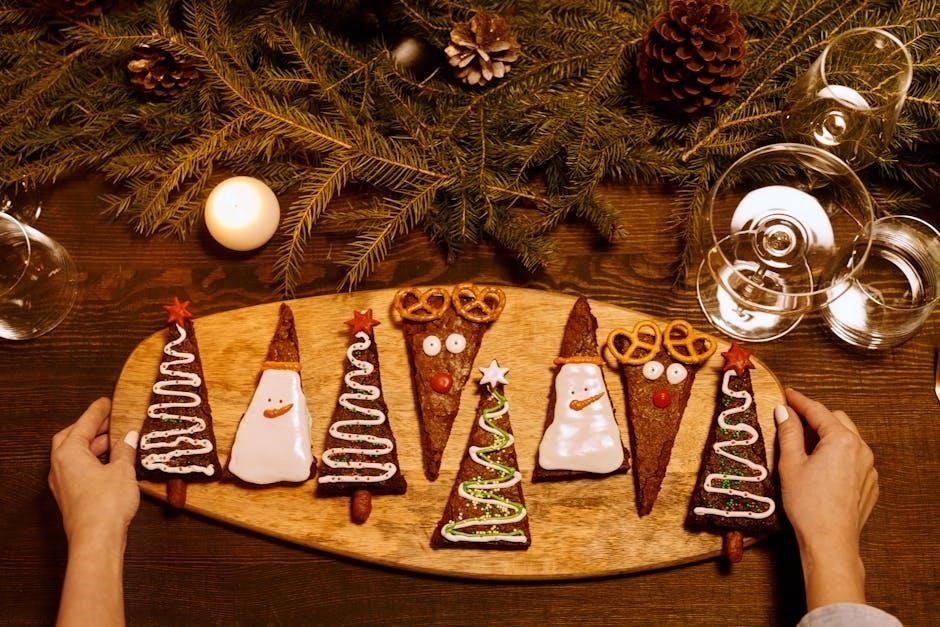
Separate cakes for specific dietary requirements prevent cross-contamination and ensure everyone can indulge safely. Clearly label each cake to avoid confusion. Don’t assume – proactively asking guests demonstrates thoughtful hospitality and guarantees a delightful experience for all attendees.
Event Type (Wedding, Birthday, Casual Gathering)
The occasion dramatically influences cake expectations. Weddings typically demand larger, more elaborate cakes with generous servings – often prioritizing aesthetics alongside quantity. Guests anticipate a substantial slice as part of the celebration.
Birthdays vary greatly. A child’s party might prioritize fun designs over large portions, while an adult birthday could mirror wedding-style servings. Casual gatherings, like office parties or potlucks, require more modest portions.
Consider the event’s overall menu. If a full meal is served, smaller cake slices suffice. A cake-focused event (like a dessert bar) necessitates larger servings. Understanding the event’s flow and other food offerings is key to avoiding waste and ensuring guest satisfaction.
Cake Density & Richness
A cake’s texture and flavor profile significantly impact serving sizes. Dense, rich cakes – like chocolate fudge or red velvet – are intensely satisfying, meaning smaller portions are sufficient. A single, decadent slice can easily satisfy a sweet craving.
Conversely, lighter, airier cakes – such as sponge cakes or angel food cake – are less filling. Guests may desire larger portions or even seconds. These cakes are often enjoyed as part of a larger dessert spread.
Consider ingredients. Cakes with heavy frostings, ganaches, or fillings also require smaller servings. A balanced approach ensures guests enjoy the cake without feeling overwhelmed. Adjust portion sizes based on the overall richness to prevent sugar overload!
Standard Cake Sizes & Corresponding Servings
Understanding cake dimensions is key to accurate serving estimations. Standard round cake sizes typically range from 6 to 9 inches in diameter, each yielding a different number of portions. These estimates assume standard 1×2 inch slices, but can vary.
A 6-inch cake generally serves 8-12 people, ideal for intimate gatherings. An 8-inch cake comfortably feeds 12-16 guests, making it suitable for medium-sized parties. Finally, a 9-inch cake can serve 16-24 individuals, perfect for larger celebrations.

Remember these are guidelines. Actual servings depend on slice size and guest appetites. Visual guides and cutting charts (discussed later) can help maximize portions and minimize waste. Consider the cake’s density too!
6-inch Round Cake: Serving Estimates
A 6-inch round cake is a delightful choice for smaller celebrations, typically accommodating between 8 and 12 servings. This size is perfect for intimate gatherings like family dinners, small birthday parties, or a cozy dessert for two!
Serving estimates depend on slice size. Traditional 1×2 inch slices yield approximately 12 portions, while slightly larger cuts might reduce that to 8. Consider your guests’ appetites – are they big dessert lovers or will they prefer a smaller taste?
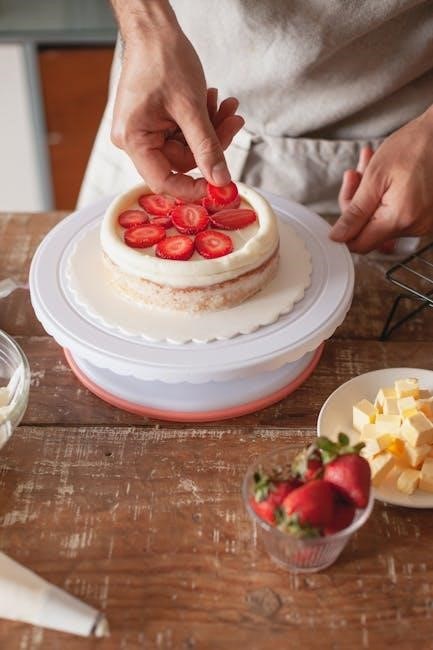
For a more generous serving, aim for 10-11 portions. For dainty bites, you can stretch it to 12. Remember, presentation matters! A beautifully cut cake enhances the experience, even with smaller slices.
8-inch Round Cake: Serving Estimates
An 8-inch round cake strikes a wonderful balance, often serving between 14 and 20 guests comfortably. This is a popular choice for medium-sized parties, office celebrations, or family gatherings with a moderate guest list.
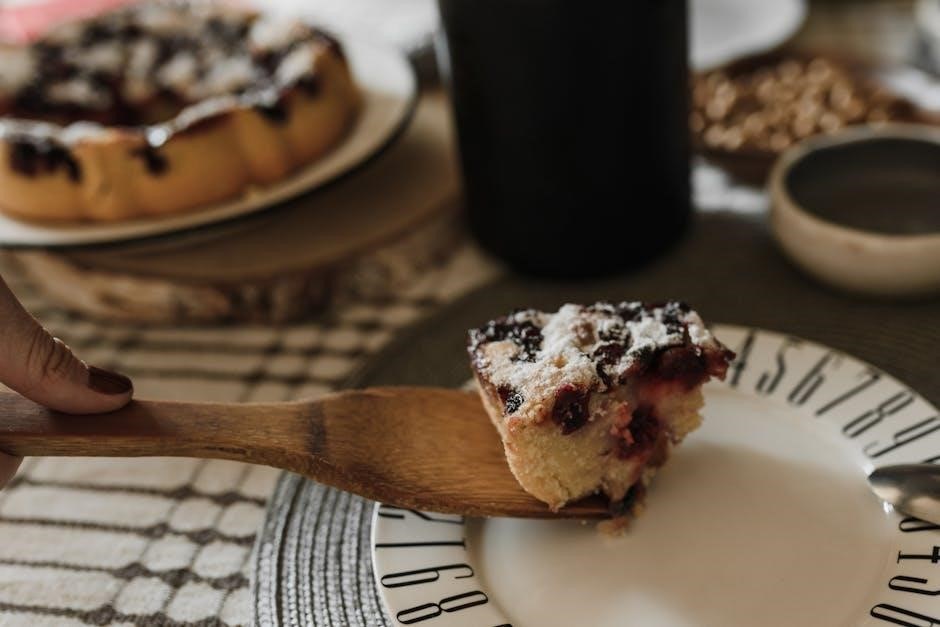
Standard serving sizes are around 1.5×2 inch slices, yielding approximately 16 portions. Adjusting the slice size allows for flexibility. Larger slices, around 2×2 inches, will provide roughly 14 servings, ideal for heartier appetites.
For a more refined presentation, or if offering multiple desserts, aim for 20 smaller portions. Consider the cake’s density; richer cakes require smaller servings. Visual guides can help ensure consistent and appealing slices for everyone to enjoy!
9-inch Round Cake: Serving Estimates
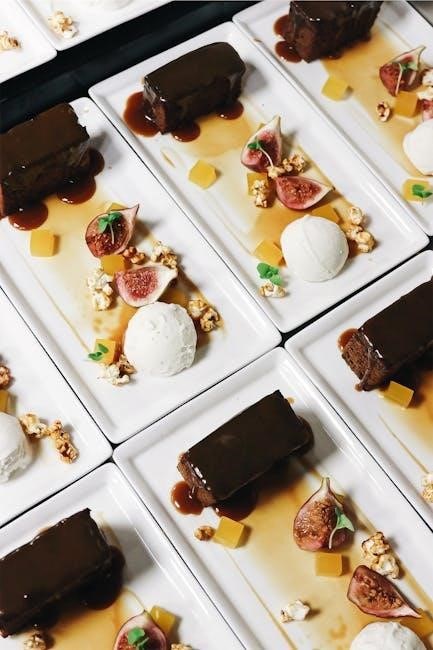
A 9-inch round cake is a fantastic option for gatherings of 20-28 people, offering a generous amount without excessive leftovers. It’s a versatile size suitable for larger family celebrations or moderately sized parties.
Typically, a 9-inch cake yields around 24-28 servings when cut into standard 1.5×2 inch slices. Adjusting slice size is key; slightly larger portions (2×2 inches) will result in approximately 20 servings, perfect for bigger appetites.
Consider the overall dessert spread. If offering other sweets, smaller, more delicate slices (around 1×1.5 inches) can provide up to 30 portions. Remember to utilize visual guides for consistent, attractive slices, ensuring everyone receives a delightful piece!
Square & Rectangular Cake Serving Charts
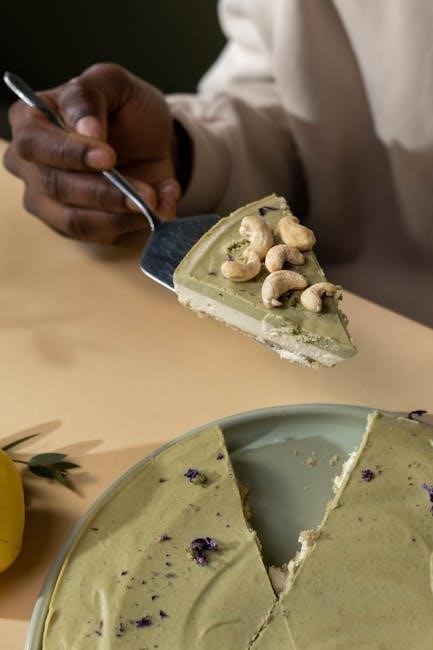
Navigating square and rectangular cake portioning requires a slightly different approach than round cakes. These shapes offer unique cutting opportunities, maximizing servings and visual appeal. A clear diagram illustrating portion sizes is incredibly helpful.
Square cakes are efficiently divided into neat, uniform squares or rectangles. A visual chart demonstrates how to cut a square cake to yield 25, 36, or even 49 servings, depending on desired slice size.
Rectangular cakes, often used for sheet cakes, are ideal for large groups. Serving guidelines suggest cutting lengthwise and widthwise to create consistent portions. Utilizing a vector graphic icon can aid in visualizing the process, ensuring even distribution and a professional presentation.
Understanding Square Cake Portioning
Square cakes present a unique advantage in terms of efficient serving. Their geometric shape allows for precise and uniform portioning, minimizing waste and ensuring each guest receives a comparable slice. Visual aids, like detailed charts, are essential for maximizing servings.
The key to square cake portioning lies in establishing a grid system. Begin by cutting the cake into equal strips, both horizontally and vertically. The number of strips determines the final serving size. For example, a 9×9 inch cake cut into nine equal squares yields generous portions.
Consider the event and guest preferences when deciding on slice size. Smaller squares are suitable for buffets or events with numerous desserts, while larger squares are ideal for a more substantial treat. A vector graphic icon can clearly illustrate these cutting options.
Rectangular Cake Serving Guidelines
Rectangular cakes require a slightly different approach to portioning than round or square varieties. Their elongated shape necessitates careful consideration of slice dimensions to ensure equitable servings for all attendees. Planning is key to avoid awkward, uneven pieces.
Begin by visualizing the cake as a grid. Determine the desired serving size – typically, a 1×2 inch slice is standard – and calculate how many slices can be obtained lengthwise and widthwise. A helpful chart will visually demonstrate these possibilities.
For larger gatherings, consider cutting the rectangular cake into long, narrow strips first, then dividing those strips into individual servings. This method streamlines the process and minimizes crumbs. Remember, presentation matters; neat slices enhance the overall experience!
Layer Cake vs. Single-Layer Cake Serving Differences
Determining serving sizes hinges on cake construction. A single-layer cake generally yields simpler portions, typically cut into wedges like a pie. Standard servings are often around 1.5 x 2 inches, offering a balanced taste without being overly generous.
Layer cakes, however, present a unique challenge. Each layer adds height and richness, influencing perceived portion size. While a single slice appears larger, the actual volume might be comparable to a single-layer piece.
Consider the filling! Generous fillings necessitate slightly smaller cake portions to prevent overwhelming sweetness. A good rule of thumb is to reduce the slice width by approximately 1/4 inch for heavily filled layer cakes. Visual guides are invaluable for consistent cutting and equitable distribution.
Serving Size Considerations for Different Cake Types
Cake density dramatically impacts serving sizes. Rich, dense cakes like cheesecake and chocolate require smaller portions due to their intense flavor and satisfying texture. A 1.5-inch square slice of cheesecake is often sufficient, preventing palate fatigue.
Lighter cakes, such as sponge cakes, can be served in larger portions. Their airy texture and subtle sweetness invite a more generous slice – around 2 x 2 inches is typical. Consider accompanying sponge cake with fruit or cream, which influences overall serving balance.
Chocolate cake’s richness also dictates portion control. While beloved, its intensity means smaller servings (around 1.75 inches square) are often preferred. Ultimately, understanding the cake’s inherent characteristics is key to satisfying your guests!
Cheesecake Serving Sizes
Cheesecake’s dense and rich nature necessitates smaller serving sizes. A standard 9-inch cheesecake typically yields 12-16 servings, each approximately 1.5 x 1.5 inches. This ensures guests enjoy the decadent flavor without feeling overwhelmed.
Consider toppings when determining portion sizes. If offering fruit compotes, chocolate sauce, or whipped cream, slightly smaller cheesecake slices may be appropriate. These additions contribute to overall sweetness and fullness.
For mini cheesecakes, adjust accordingly. Individual portions should be around 2-3 bites, offering a delightful taste without being overly substantial. Presentation also matters – a beautifully garnished slice enhances the experience!
Remember, quality over quantity is key with cheesecake.
Chocolate Cake Serving Sizes
Chocolate cake, beloved by many, often encourages larger servings. However, balancing indulgence with appropriate portions is vital. A standard 9-inch round chocolate cake generally provides 12-16 servings, cut into wedges approximately 1.5 inches wide at the outer edge.
The richness of the chocolate impacts serving size. Dark chocolate cakes, being more intense, may require slightly smaller portions than milk chocolate varieties. Consider the frosting – a heavy buttercream necessitates smaller slices.
Layered chocolate cakes offer flexibility. Each layer can be individually portioned, allowing for customized serving sizes; Garnishes like berries or chocolate shavings add visual appeal and can subtly influence perceived portion size.
Don’t underestimate the power of a perfect slice!
Sponge Cake Serving Sizes
Sponge cake, known for its light and airy texture, typically lends itself to slightly larger servings compared to denser cakes. A 9-inch round sponge cake can comfortably yield 16-20 servings, assuming slices are cut around 1.25 to 1.5 inches wide at the edge.
The addition of fillings and frostings significantly impacts portioning. A heavily filled or frosted sponge cake may require smaller slices to maintain balance. Consider the overall sweetness – a very sweet filling calls for a more restrained cake portion.
Sponge cakes are often enjoyed with fruit, which can influence serving decisions. If serving alongside a fruit compote or fresh berries, slightly smaller cake portions may suffice. Presentation matters; elegant slices enhance the experience!
Enjoy the delicate flavor!
Visual Guides & Charts for Cake Cutting
Accurate cake cutting is essential for ensuring each guest receives a fair and visually appealing slice. Utilizing visual guides and charts simplifies this process, especially for round and square cakes. Diagrams clearly illustrate optimal cutting patterns, maximizing the number of servings.
For round cakes, start by cutting the cake into wedges, aiming for consistent angles. A helpful technique involves mentally dividing the cake into equal sections before making the initial cut. Charts demonstrate how slice size changes with different numbers of servings.
Square cakes benefit from a grid-like approach. Cutting vertical and horizontal lines creates neat, uniform squares. Vector graphic icons, often isolated on simple backgrounds, provide clear visual references for portioning. Remember to use a long, serrated knife for clean cuts!
Advanced Cake Serving: Tiered Cakes
Tiered cakes present a unique serving challenge, requiring a strategic approach to ensure stability and even distribution of portions. Serving begins with the top tier, working downwards to maintain structural integrity. Each tier should be cut separately, similar to individual cakes, but with added caution.
A two-tier cake typically requires cutting the top tier into wedges and serving those first. Once depleted, the bottom tier is accessed. For a three-tier cake, the process is extended – top, then middle, and finally the base.
Support structures (dowels) within the cake are crucial for preventing collapse during cutting and serving. Pre-cutting portions and arranging them on platters can streamline the process, especially for larger events. Consider the weight distribution when removing slices.
Serving a Two-Tier Cake
Successfully serving a two-tier cake demands a methodical approach, prioritizing structural stability and elegant presentation. Begin by carefully cutting the top tier into appropriately sized wedges, ensuring clean cuts to prevent crumbling. This tier is typically lighter and easier to manage.
Once the top tier is substantially served, attention shifts to the bottom tier. Before cutting, assess the support system (dowels) to guarantee it can withstand the removal of slices. Cut wedges from the bottom tier, mirroring the size and shape of those from above.
Presenting slices with a portion from each tier creates a visually appealing and balanced dessert experience. Consider pre-slicing portions for larger gatherings to expedite service and minimize cake handling.
Serving a Three-Tier Cake
A three-tier cake presents a more complex serving challenge, requiring careful planning and execution. Prioritize stability; ensure robust dowel support within each tier before commencing. Begin serving from the top tier, as it’s the smallest and easiest to manage, cutting clean wedges.
As the top tier diminishes, move to the middle tier, maintaining consistent slice sizes. Monitor the cake’s structural integrity throughout the process, adjusting cutting angles if necessary. Finally, address the bottom tier, again mirroring portion sizes from above.
Offering a slice incorporating portions from multiple tiers elevates the presentation and provides guests with a varied texture experience. Pre-cutting, while time-consuming, can streamline service at larger events, minimizing cake handling and potential mishaps.
Leftover Cake Storage & Serving
Proper storage is vital to maintain cake freshness and flavor. For short-term storage (up to 3 days), tightly wrap leftover cake in plastic wrap or store it in an airtight container at room temperature. Refrigeration (up to a week) is suitable for cakes with perishable fillings like cream cheese frosting or fresh fruit.
Freezing extends the cake’s lifespan significantly (up to 2-3 months). Wrap individual slices or the entire cake securely in plastic wrap, followed by aluminum foil. Thaw frozen cake overnight in the refrigerator before serving.
Revive slightly stale cake by lightly misting it with water or simple syrup before serving. Consider repurposing leftovers into delightful treats like cake pops or trifles, minimizing waste and maximizing enjoyment!