
Wong-Baker Faces Pain Scale: A Comprehensive Guide (Updated 04/15/2026)
Accessing the Wong-Baker Faces Scale in PDF format is crucial for healthcare professionals and patients alike, offering a readily available tool for pain assessment and communication.
What is the Wong-Baker Faces Pain Scale?
The Wong-Baker Faces Pain Rating Scale is a widely utilized self-assessment instrument designed to facilitate communication regarding a patient’s level of physical discomfort. It cleverly integrates visual cues – a series of facial expressions ranging from happy to very unhappy – alongside numerical ratings from 0 to 10, and corresponding verbal descriptors.
This multi-faceted approach allows individuals to articulate their pain experience in a way that best suits their abilities. Crucially, the scale’s availability as a PDF document ensures easy access for both healthcare providers and patients, promoting consistent and standardized pain evaluation across various settings. It’s a simple, yet powerful tool.

History and Development
The Wong-Baker Faces Pain Scale emerged from a need for a more accessible and understandable pain assessment tool, particularly for individuals who struggle with numerical scales. Developed through the collaborative efforts of Donna Wong and Carolyn Baker, its origins lie in pediatric nursing and pain management.
The scale’s initial publication and subsequent updates have solidified its position as a standard in healthcare. Conveniently, a PDF version of the scale is readily available, allowing for widespread distribution and consistent application. This digital format ensures that the latest version is easily accessible to practitioners globally, aiding in standardized pain evaluation.
Donna Wong’s Contribution
Donna Wong, a pediatric nurse, played a pivotal role in creating the Wong-Baker Faces Pain Scale, recognizing the limitations of traditional pain assessment methods for children. Her insight into the challenges faced by young patients fueled the development of this visually-based tool.
The widespread availability of the scale in PDF format is a testament to her vision of accessible pain management. This digital version ensures her contribution continues to benefit countless individuals. Wong’s dedication to improving patient care, particularly for children, has made her a respected figure in the field, despite maintaining a relatively private life.
Co-Author: Carolyn Baker
Carolyn Baker collaborated with Donna Wong to refine and publish the Wong-Baker Faces Pain Scale, bringing her expertise to solidify its practical application. Her contributions were essential in transforming Wong’s initial concept into a widely adopted clinical tool.

The convenient PDF format of the scale allows for easy distribution and implementation of their collaborative work. Baker’s involvement ensured the scale’s clarity and effectiveness, enhancing its usability across diverse healthcare settings. Together, Wong and Baker created a lasting legacy in pain management, readily accessible through digital platforms.
Initial Publication and Updates
The Wong-Baker Faces Pain Scale was initially published in 1994, quickly becoming a standard in pain assessment. Its enduring relevance has led to continued use and distribution, often accessed as a convenient PDF document.
While the core design remains consistent, updates primarily focus on accessibility and clarity of the PDF version. Healthcare providers frequently utilize the digital format for easy printing and integration into patient records. The scale’s simplicity and effectiveness have minimized the need for substantial revisions, ensuring its continued value in modern pain management practices.
Understanding the Scale’s Components
The Wong-Baker Faces Pain Scale, often distributed as a PDF, visually represents pain levels using a series of faces ranging from happy to very unhappy. This intuitive design is key to its effectiveness.
Alongside the faces, a numerical rating from 0 to 10 provides a quantifiable measure, while verbal descriptors – like “no hurt” to “worst possible pain” – offer further context. A readily available PDF version ensures consistent understanding and application across healthcare settings, aiding both patients and clinicians in accurate pain communication.
The Faces: From Happy to Very Unhappy
The core of the Wong-Baker Faces Scale, easily viewed in a PDF format, lies in its series of facial expressions. These range from a smiling, content face representing “no hurt” to progressively more distressed faces indicating increasing pain levels.
The PDF clearly displays these faces, allowing patients to quickly identify the image that best matches their current experience. This visual approach is particularly helpful for those who struggle to articulate their pain verbally. The simplicity and clarity of the faces, as presented in the PDF, are central to the scale’s widespread use.
Numerical Rating (0-10)
Alongside the facial expressions, the Wong-Baker Faces Scale, readily available as a PDF, incorporates a numerical rating system from 0 to 10. Zero signifies “no pain,” while 10 represents “the worst pain imaginable.”
The PDF visually links each face to a corresponding number, providing a clear and consistent framework for pain quantification. This numerical component allows for more precise tracking of pain intensity over time. Healthcare professionals utilize this scale, often accessed via PDF, to objectively assess and document a patient’s pain level, aiding in effective treatment planning.
Verbal Descriptors Associated with Each Number
The Wong-Baker Faces Scale PDF doesn’t just rely on faces and numbers; it also includes verbal descriptors to enhance understanding. Each numerical rating (0-10) is paired with descriptive terms, clarifying pain intensity.
For example, a rating of 1-3 might be described as “mild” or “annoying,” while 7-9 indicates “terrible” or “excruciating.” These descriptors, clearly presented in the PDF version, are particularly helpful for patients who struggle to articulate their pain. This comprehensive approach, easily accessible through the PDF, ensures effective communication about pain levels.
How to Use the Wong-Baker Faces Pain Scale
Utilizing the Wong-Baker Faces Pain Scale, readily available as a PDF, is straightforward. Present the scale to the patient and ask them to point to the face that best represents their current pain level.
Encourage them to verbalize why they chose that face, linking the visual representation to their experience. The PDF format allows for easy printing and distribution. Healthcare providers should document the chosen number and any accompanying verbal descriptions. This simple, yet effective method, detailed within the PDF guide, facilitates clear pain assessment.
Patient Self-Reporting
The Wong-Baker Faces Scale, conveniently accessed as a PDF, empowers patients to actively participate in their pain management. Self-reporting is central to its use; patients directly indicate their pain intensity by selecting a face.
The PDF provides a visual aid, minimizing reliance on complex numerical descriptions. Encourage patients to honestly choose the face that mirrors their experience, even if they struggle to articulate it. This subjective assessment, facilitated by the PDF, is vital for personalized care. Accurate self-reporting, guided by the scale’s imagery, informs effective treatment strategies.
For Children of Different Ages
Utilizing the Wong-Baker Faces Scale PDF requires age-specific adaptation. For younger children, focus on the facial expressions, asking them to “show me how much it hurts” rather than assigning a number.
Older children can begin to associate faces with numerical values, using the PDF as a learning tool. Explain the scale simply, emphasizing that higher numbers mean more pain. The PDF’s visual nature is particularly helpful for those with limited reading skills. Always ensure the child understands the concept before self-reporting, fostering accurate communication about their discomfort.
Assisting Patients with Limited Verbal Skills
Employing the Wong-Baker Faces Scale PDF is invaluable for patients facing communication barriers. Point to each face, asking if the pain matches that expression, allowing a simple “yes” or “no” response.
The PDF’s visual cues bypass the need for complex verbalization. Caregivers can observe subtle cues – facial expressions, body language – alongside the scale. Consider using a laminated PDF version for repeated use and easy cleaning. Remember, patience is key; allow ample time for the patient to process and respond, ensuring their pain is accurately represented.
Applications in Healthcare Settings
Utilizing the Wong-Baker Faces Pain Scale PDF streamlines pain assessment across diverse medical environments. In pediatric settings, the scale’s visual nature aids children in communicating discomfort. Emergency rooms benefit from its quick, easily understood format for triage.
Post-operative care relies on consistent pain evaluation, and the PDF provides a standardized tool. Having readily available PDF copies ensures consistent application. Its simplicity facilitates communication between patients, nurses, and physicians, improving overall pain management strategies and patient satisfaction.
Pediatric Pain Management
The Wong-Baker Faces Pain Scale PDF is invaluable in pediatric care, as children often struggle to articulate pain levels. The visual representation of faces, ranging from happy to very unhappy, allows young patients to easily indicate their discomfort.
A readily accessible PDF version ensures consistent use across hospital departments and clinics. Its simplicity reduces anxiety for children and facilitates more accurate pain assessment. Parents can also utilize the PDF at home to monitor their child’s pain post-treatment, improving communication with healthcare providers.
Emergency Room Assessments
Utilizing a Wong-Baker Faces Pain Scale PDF in the fast-paced emergency room environment is critical for rapid, yet reliable, pain evaluation. The scale’s visual nature bypasses language barriers and cognitive limitations often present in acute situations.
Having a standardized PDF readily available ensures all staff employ the same assessment tool. This is particularly helpful with patients experiencing trauma or those unable to clearly communicate due to injury or distress. A quick reference PDF streamlines the process, leading to faster pain management decisions and improved patient care.
Post-Operative Pain Evaluation
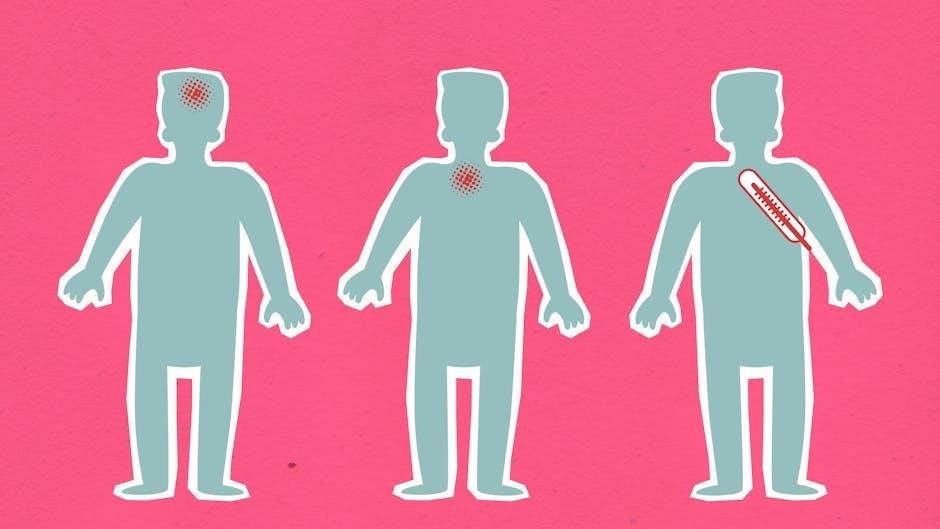
Employing a Wong-Baker Faces Pain Scale PDF is invaluable for consistent post-operative pain assessment. Patients recovering from surgery often experience fluctuating pain levels, and a readily accessible PDF facilitates frequent and accurate monitoring by nursing staff.
The visual format of the scale, easily distributed as a PDF, aids patients who may be groggy from anesthesia or medication. Regular assessments using the PDF guide help track pain trends, evaluate the effectiveness of analgesics, and adjust treatment plans accordingly, ultimately enhancing patient comfort and recovery.
Advantages of Using the Scale
Utilizing a Wong-Baker Faces Pain Scale PDF offers significant benefits in healthcare settings. The PDF format ensures standardized assessment, promoting consistent data collection across patients and locations. Its visual nature transcends language barriers, improving communication, especially when a PDF version is readily available for diverse populations.
The scale’s simplicity, easily shared as a PDF, allows for quick and objective pain evaluation. Accessibility is enhanced through digital PDF distribution, making it convenient for both patients and clinicians, leading to more effective pain management strategies and improved patient outcomes.
Improved Communication
A readily available Wong-Baker Faces Scale PDF dramatically enhances communication regarding pain levels. The visual aspect, easily shared via PDF, bypasses potential language barriers, allowing patients to express their discomfort even with limited verbal skills. This is particularly vital for pediatric patients or those with cognitive impairments.

The PDF format ensures everyone uses the same standardized tool, minimizing misinterpretations. Clinicians can quickly understand a patient’s pain intensity, fostering a more empathetic and effective dialogue. Distributing the scale as a PDF empowers patients to actively participate in their pain management plan.
Objective Pain Assessment

While pain remains subjective, utilizing a Wong-Baker Faces Scale PDF introduces a degree of objectivity to assessment. The standardized faces and numerical ratings provide a consistent framework for patients to quantify their experience. Having a readily accessible PDF version ensures consistent application across different healthcare settings.
This allows clinicians to track pain levels over time, evaluating treatment effectiveness more accurately. The PDF serves as documentation within patient records, offering a clear visual representation of reported pain. Though not eliminating subjectivity entirely, the scale minimizes ambiguity compared to relying solely on verbal descriptions.
Ease of Use and Accessibility
The Wong-Baker Faces Scale is remarkably simple, making it easily understood by a wide range of patients. A downloadable PDF version further enhances accessibility, allowing for quick printing and distribution in various healthcare environments. Its visual nature bypasses literacy barriers, benefiting children and individuals with limited language skills.
Having a PDF readily available means it can be used in diverse settings – from hospitals and clinics to home healthcare. The scale requires minimal training for both patients and clinicians, streamlining the pain assessment process. This simplicity contributes to more frequent and accurate pain reporting, improving overall patient care.
Limitations and Considerations
While the Wong-Baker Faces Scale, even in PDF format, is valuable, it’s crucial to acknowledge its limitations. Pain perception is inherently subjective; a ‘4’ for one patient may differ for another. Cultural backgrounds significantly influence pain expression, potentially impacting accurate self-reporting.
Age also plays a role; younger children may struggle with the numerical component, even with the visual aids. A PDF version doesn’t eliminate these inherent challenges. Clinicians must interpret results cautiously, considering individual patient factors and supplementing with other assessment methods for a comprehensive understanding of a patient’s pain experience.
Subjectivity of Pain Perception
The Wong-Baker Faces Scale, whether utilized directly or accessed as a PDF, relies on self-reporting, making it inherently susceptible to individual interpretation. Pain is a deeply personal experience, and a rating of ‘5’ on the scale doesn’t equate to the same intensity for every person.

Factors like emotional state, prior pain experiences, and coping mechanisms all influence how pain is perceived and communicated. A PDF document doesn’t alter this fundamental subjectivity. Healthcare providers must recognize this variability and integrate the scale’s findings with a thorough clinical assessment to gain a holistic understanding.
Cultural Influences on Pain Expression
Even with a readily available Wong-Baker Faces Scale PDF, cultural norms significantly impact how individuals express and report pain. Some cultures encourage stoicism, leading to underreporting, while others are more expressive.
These differences can affect how patients utilize the scale, potentially skewing results. A ‘7’ from one cultural background might represent a different level of distress than a ‘7’ from another. Healthcare professionals must be culturally sensitive when interpreting responses, recognizing that the PDF scale is a tool, not a definitive measure, and consider broader contextual factors.
Age-Related Variations in Understanding
Utilizing a Wong-Baker Faces Scale PDF requires considering cognitive development. Younger children may struggle with the numerical component, relying more on the facial expressions. Conversely, older adults with cognitive decline might have difficulty understanding the scale’s nuances.
Effective implementation involves tailoring the approach to the patient’s age and cognitive abilities. For instance, simplifying explanations or focusing solely on the faces for young children. A readily accessible PDF version is helpful, but doesn’t negate the need for individualized assessment and clear communication to ensure accurate pain reporting.
Wong-Baker Faces Pain Scale PDF Availability
Accessing a Wong-Baker Faces Pain Scale PDF is straightforward, with numerous resources available online. Official sources, often associated with healthcare organizations or pain management societies, provide authentic and reliable versions. Several websites offer free online resources, but verifying the source’s credibility is vital to ensure accuracy.
When downloading a PDF, confirm it originates from a trusted provider to avoid outdated or altered scales. Healthcare professionals frequently utilize these PDFs for quick reference during patient assessments, ensuring consistent and standardized pain evaluation practices. Always prioritize authentic documentation.
Official Sources for Download
Reliable Wong-Baker Faces Pain Scale PDFs are often found on websites of prominent healthcare institutions and professional organizations. Look for downloads from organizations dedicated to pain management, pediatric nursing, or patient education. University hospitals and medical centers frequently offer the scale as a downloadable resource for both clinicians and patients.

Checking the website of the scale’s creators or associated publishers is also a good practice. These official sources guarantee the PDF is current, accurate, and hasn’t been modified. Prioritizing these downloads ensures you’re using the validated and recognized version of the scale for effective pain assessment.
Free Online Resources
Numerous websites offer the Wong-Baker Faces Pain Scale as a free PDF download, providing convenient access for individuals and healthcare providers. However, caution is advised when utilizing these resources. Always verify the source to ensure the PDF is legitimate and hasn’t been altered.
Patient education websites and online medical libraries are common locations for finding the scale. Search terms like “Wong-Baker Faces Scale PDF free download” can yield results, but cross-reference with official sources to confirm authenticity. Be wary of sites with excessive advertising or unclear origins.
Ensuring PDF Authenticity
When downloading the Wong-Baker Faces Pain Scale PDF, verifying its authenticity is paramount. Look for PDFs originating from reputable organizations like hospitals, pain management clinics, or nursing associations. Check for official logos and contact information on the document itself.
Compare the downloaded PDF with examples found on trusted websites to identify any discrepancies in formatting or content. Be cautious of PDFs with watermarks from unknown sources or those requesting personal information. Prioritize downloads from secure (HTTPS) websites to protect against malware and ensure data integrity.
Alternatives to the Wong-Baker Faces Scale
While the Wong-Baker Faces Scale is widely used, several alternatives cater to diverse patient needs. The Visual Analog Scale (VAS) employs a continuous line for pain rating, offering greater granularity. The Numerical Rating Scale (NRS), using numbers 0-10, provides a straightforward quantitative measure.
For non-verbal patients, particularly infants, the FLACC Scale – assessing Face, Legs, Activity, Cry, and Consolability – offers a behavioral observation method. PDF resources detailing these scales are readily available online, allowing healthcare providers to select the most appropriate tool for each individual’s situation and communication abilities.
Visual Analog Scale (VAS)
The Visual Analog Scale (VAS) presents a horizontal line, typically 100mm long, anchored by “No pain” and “Worst imaginable pain.” Patients mark a point on the line corresponding to their pain intensity. This method offers a continuous, rather than discrete, measurement, potentially capturing subtle pain variations.
PDF guides illustrating the VAS are easily accessible, demonstrating proper usage and scoring. While lacking the visual cues of the Wong-Baker Faces Scale, the VAS is suitable for adults and older children. Comparing VAS results alongside Wong-Baker data, often found in combined PDF resources, can provide a more comprehensive pain profile.
Numerical Rating Scale (NRS)
The Numerical Rating Scale (NRS) employs a 0-to-10 scale, where 0 signifies “No pain” and 10 represents “Worst possible pain.” Patients verbally report their pain level with a corresponding number, offering a straightforward assessment method. PDF documents often include NRS alongside the Wong-Baker Faces Scale, allowing for comparative evaluation of pain reporting techniques.
NRS is generally preferred for older children and adults who can reliably understand and utilize numerical scales. Many downloadable PDF resources provide clear instructions on administering and interpreting NRS scores. It’s a valuable tool when a visual scale like Wong-Baker isn’t suitable, and can complement data found in comprehensive pain assessment PDFs.
FLACC Scale (for non-verbal patients)
The FLACC scale – Face, Legs, Activity, Cry, Consolability – is designed for assessing pain in individuals unable to verbally communicate their discomfort. It utilizes behavioral observations scored from 0 to 2 in each category, resulting in a total score from 0-10. PDF guides detailing pain assessment often include FLACC as an alternative to scales requiring verbal responses.
When a Wong-Baker Faces PDF isn’t appropriate, such as with infants or patients with severe cognitive impairment, FLACC provides a structured method for pain evaluation. Downloadable PDF resources frequently offer training materials and scoring guides for accurate FLACC assessment, ensuring consistent pain management practices.
Research and Validation of the Scale
Numerous studies have investigated the reliability and validity of the Wong-Baker Faces scale, bolstering its widespread acceptance in clinical practice. PDF documents summarizing research findings often highlight the scale’s effectiveness across diverse patient populations and healthcare settings. These reports demonstrate consistent correlations between patient-reported pain levels using the scale and objective physiological indicators.
Accessing research summaries in PDF format provides evidence-based support for utilizing the Wong-Baker Faces scale. Ongoing research continues to refine pain management protocols incorporating the scale, and downloadable PDFs frequently present the latest advancements and best practices for accurate pain assessment.
Studies on Reliability and Validity
Extensive research, often available in PDF reports, confirms the Wong-Baker Faces scale’s strong reliability and validity. Studies consistently demonstrate that patients can accurately and consistently self-report their pain levels using the scale. PDF analyses of these studies reveal high test-retest reliability, meaning individuals provide similar ratings when assessed repeatedly.
Validity is supported by correlations with other pain measures and physiological responses. Researchers publishing in PDF format have shown the scale effectively differentiates between varying pain intensities. These findings reinforce the scale’s usefulness as a standardized tool for pain assessment across diverse populations and clinical contexts.
Impact on Pain Management Protocols
The Wong-Baker Faces scale, frequently documented in PDF guidelines, has significantly impacted pain management protocols across healthcare settings. Its ease of use encourages consistent pain assessment, leading to more effective analgesic interventions. PDF resources from hospitals demonstrate its integration into post-operative care, emergency room triage, and pediatric pain pathways.

Protocols utilizing the scale, often available as downloadable PDFs, emphasize patient-centered care by empowering individuals to actively participate in their pain management. PDF reports show a shift towards proactive pain control, reducing reliance on solely physician assessment and improving overall patient satisfaction.
Ongoing Research and Refinements

Despite its widespread use, research continues to refine the Wong-Baker Faces scale, with findings often disseminated via PDF publications. Studies investigate its effectiveness across diverse populations and explore potential modifications to enhance accuracy. PDF analyses focus on cultural adaptations, ensuring the scale remains relevant and understandable for patients with varying backgrounds.
Current research, detailed in accessible PDF reports, examines the scale’s integration with electronic health records and mobile applications. PDF summaries highlight efforts to improve the digital presentation of the faces, optimizing usability on different devices. These ongoing refinements aim to solidify the scale’s position as a gold standard in pain assessment.